Best Food for Neon tetras – Diet & Feeding Guide
Paracheirodon innesi
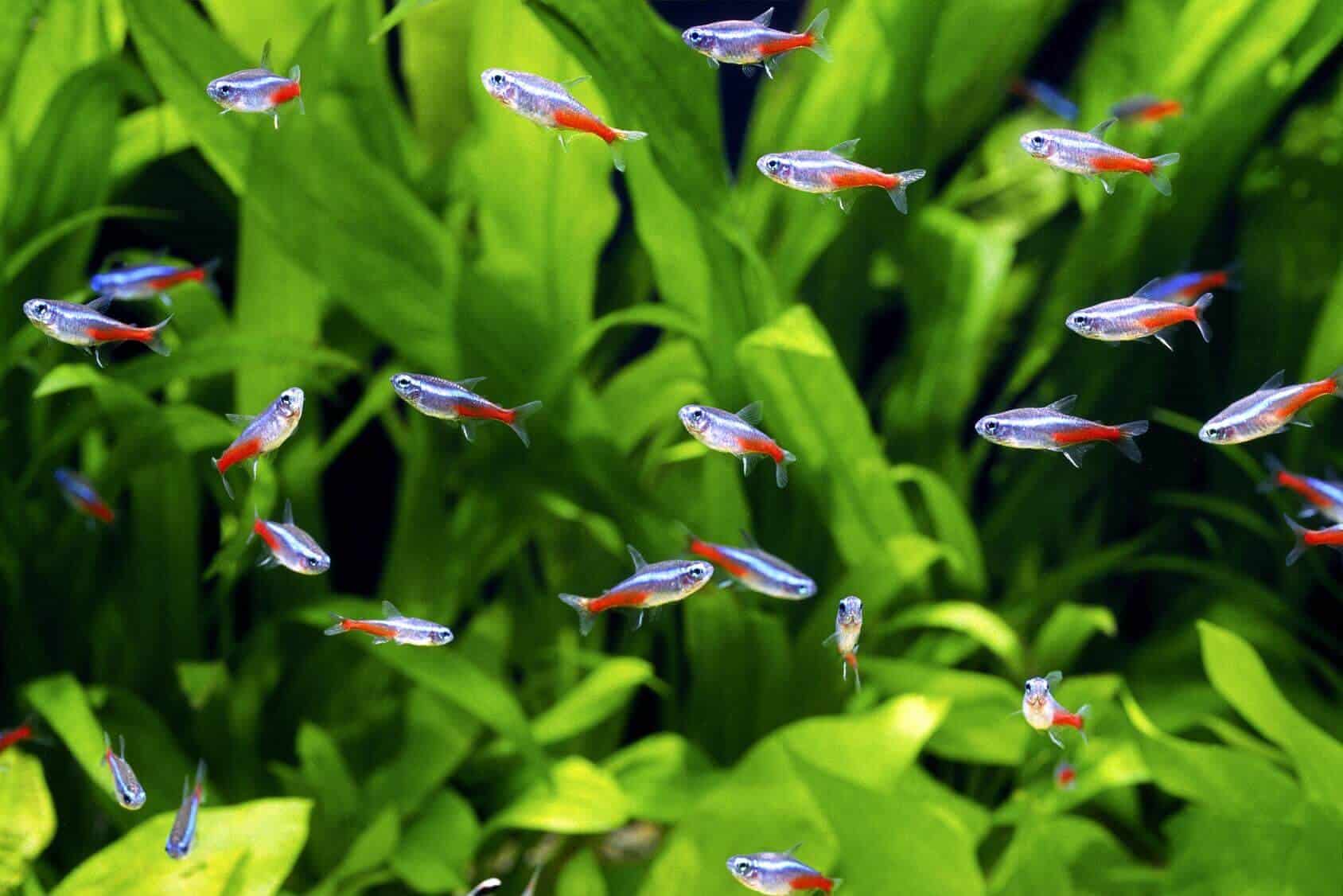
Neon tetras are small, active mid-water schooling fish that will accept a wide variety of foods in captivity. While they are not fussy eaters, choosing the correct food type and particle size significantly improves colour intensity, longevity, and overall health. For routine feeding, slow-sinking micro pellets or fine granules are ideal. These remain suspended in the mid-water column long enough for neon tetras to feed naturally, without forcing them to compete aggressively at the surface or scavenge from the substrate.
Quick Take
Nutrition Profile
What They Eat in the Wild
In their natural habitat within the Amazon basin, neon tetras feed opportunistically on: * Small aquatic insects * Insect larvae * Micro-crustaceans * Zooplankton * Tiny worms They are micro-predators rather than plant grazers. While they may ingest small amounts of plant matter incidentally, their nutritional needs lean toward protein-rich, animal-based sources. This natural diet informs their ideal captive feeding profile: small particle size, moderate to high protein, and occasional live or frozen enrichment.
Best Options for Neon tetra
Everyday feeding
- Slow Sinking Micro Pellets
- Fine granules designed for small tropical fish
- High quality formulations with identifiable protein sources (fish meal, krill, insect meal)
Frozen foods
- Daphnia
- Bloodworms (in Moderation)
- Cyclops
Budget friendly
- Fine tropical granules with ≥42% protein
- Minimal Filler Ingredients
- No excessive wheat or corn as primary components
Foods to avoid
- Large Cichlid Pellets
- Hard, oversized floating pellets
- Very High Fat Formulations
- Exclusively surface floating flakes (unless crushed)
- Surface only foods can work, but they are not optimal for neon tetras’ natural mid water feeding behaviour.
Avoiding poor-format or filler-heavy foods helps keep feeding response and long-term condition stable.
Feeding Approach
Feed neon tetras once or twice daily in small portions.
- Observe active engagement.
- Split into small amounts.
- Adjust based on behaviour.
Fry Feeding
Newly hatched neon tetra fry require extremely fine food: * Infusoria (first days) * Liquid fry food * Finely powdered fry formulations * Newly hatched brine shrimp (as they grow) Standard micro pellets are too large for early fry stages. Protein demand is high during early development, but portion control is essential to maintain water quality.
Breeding Nutrition
To prepare neon tetras for breeding: * Increase frequency of small feedings * Incorporate frozen/live foods such as daphnia and cyclops * Maintain stable water conditions Higher protein intake and varied diet can improve spawning readiness.
Top rated foods for Neon tetra
Live scoringRanked using live AquaIndex scoring.
| Food | Score | Protein | Key ingredients | |
|---|---|---|---|---|
#1 Hikari Micro Pellets | 100Elite | 43.0% | Fish mealKrill mealSoybean Meal | Buy on Amazon |
#2 Hikari Micro Wafers | 100Elite | 44.0% | Fish mealKrill mealWheat Flour | Buy on Amazon |
#3 FishScience Worm Pellets | 97Excellent | 41.5% | MealwormMycoproteinSilkworm Pupa | Buy on Amazon |
FAQ
Can neon tetras eat flakes?
Yes, but flakes are not ideal as a primary food unless crushed. Slow-sinking micro pellets better match their mid-water feeding behaviour.
Do neon tetras need live food?
Not strictly, but live or frozen foods improve enrichment, colour, and breeding condition.
How often should I feed neon tetras?
Once or twice daily in small portions is ideal.
Is high protein safe for neon tetras?
Moderate to high protein (42–50%) is appropriate, provided the diet is balanced and not excessively fatty.