Compatibility
Common Molly × Cherry barb Compatibility
Compatibility calculated based on predation risk, behaviour profile, and water-parameter overlap.

Common Molly and Cherry barb can usually live together in a well-planted community tank, but size difference should be monitored.
TemperatureA
pHB
HardnessB
FlowA
PredationB
BehaviourA
Data coverage note: 1 key check marked unknown.
Generally compatibleA
Envrionmental Factors
Temperature overlap
Common Molly: 18.0–28.0 °C
Cherry barb: 22.0–27.0 °C
Shared window: 22.0–27.0°C.
pH overlap
Common Molly: 7.5–8.5
Cherry barb: -
One or both species are missing range data for this check.
Hardness overlap
Common Molly: Medium → Hard
Cherry barb: Soft → Medium
Shared hardness bands: 1 (overlap ratio 50%).
Flow match
Common Molly: Medium
Cherry barb: Medium
Flow preferences do not conflict directly (no low-vs-high clash).
Behavioural Factors
Predation risk (size ratio)
Adult size ratio: 2.00x
Size gap is between 2.0x and 3.0x, so monitor for dominance and mouth-fit risk.
Behaviour risk
- - Both species are generally peaceful; behaviour conflict risk is low.
Parameter snapshot
| Parameter | Common Molly | Cherry barb |
|---|---|---|
| Adult size | 10.0 cm | 5.0 cm |
| Temperature | 18.0–28.0 °C | 22.0–27.0 °C |
| pH | 7.5–8.5 | - |
| Hardness | Medium → Hard | Soft → Medium |
| Flow | Medium | Medium |
| Locations | Mexico, South America | Sri Lanka |
Geographic overlap (supporting signal)
No recorded overlap in our dataset.
Best tank mates for Common Molly
Reference links to curated compatibility pair pages for this species.
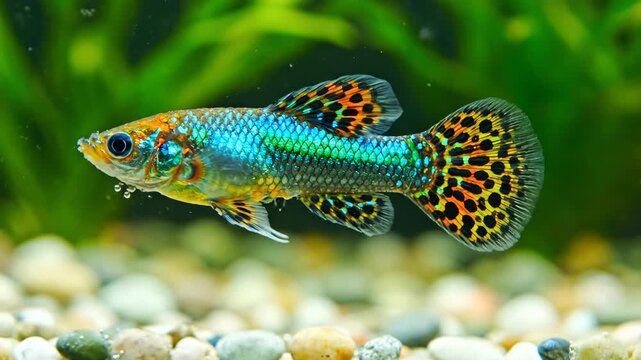
Guppy
Poecilia reticulata
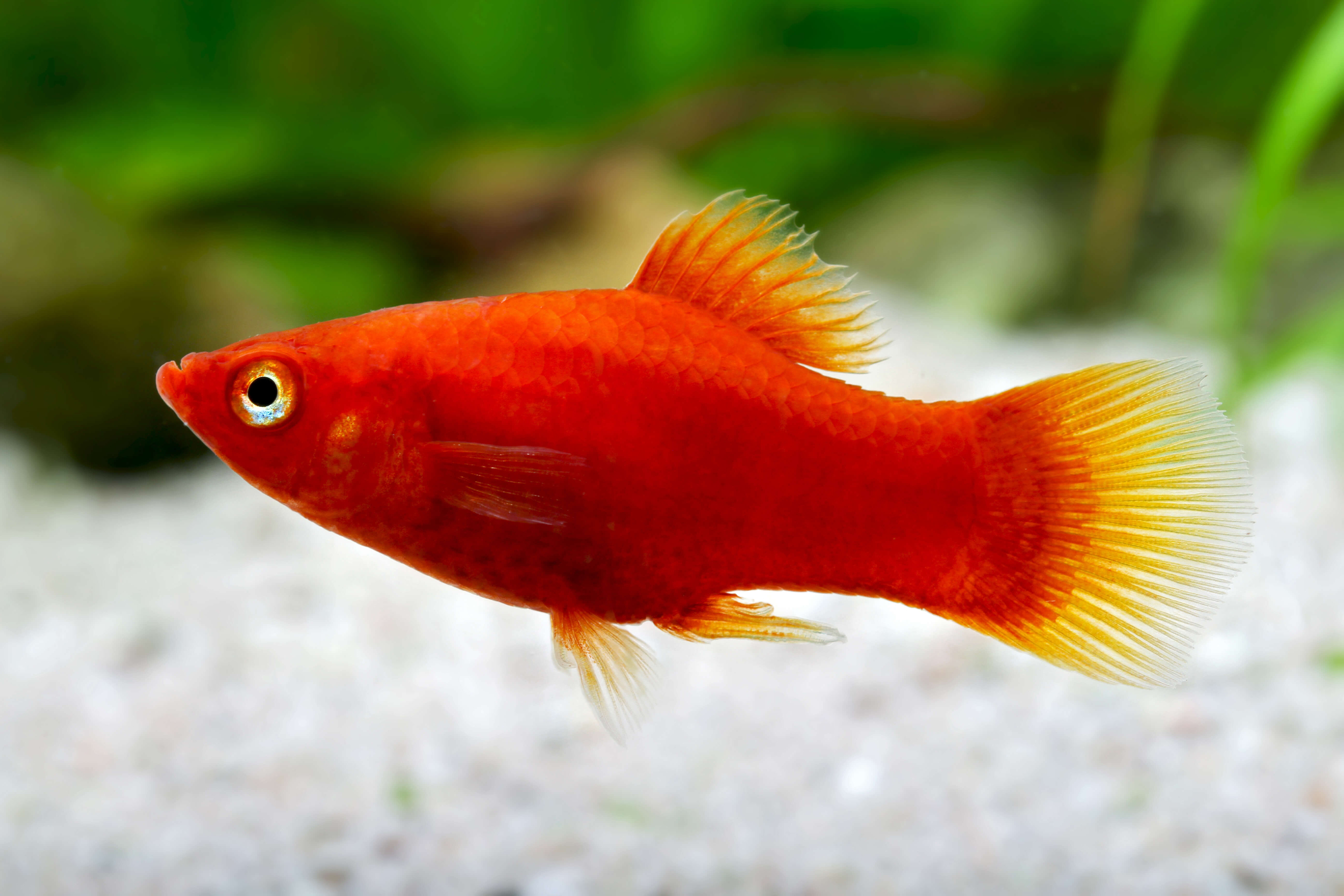
Platy
Xiphophorus maculatus

Swordtail
Xiphophorus hellerii
Best tank mates for Cherry barb
Reference links to curated compatibility pair pages for this species.

Chili Rasbora
Boraras brigittae
Dwarf Rasbora
Boraras maculatus

Endler's livebearer
Poecilia wingei

Neon tetra
Paracheirodon innesi